How to Remove Glue From Walls: A Complete DIY Guide

How to Remove Glue From Walls: A Complete DIY Guide
That moment you peel off old wallpaper or a beloved wall decal only to find your wall covered in a tacky, stubborn mess we've all been there. Left-behind adhesive seems to cling harder than the thing you actually wanted gone, and if you've ever tried scraping at it dry, you know that approach goes nowhere fast. The good news is that removing glue from walls doesn't require expensive specialty products or professional help. With a few basic supplies and the right technique, you can tackle even the most stubborn residue and get your walls ready for a fresh coat of paint or new decor.
Why Does Wallpaper Glue Cause Problems When Painting?
Painters and home improvement experts consistently warn that skipping adhesive removal leads to trouble down the line. Even when a wall looks mostly clean after wallpaper removal, microscopic glue spots remain bonded to the surface. According to Harmony Inspection Services, painting directly over wallpaper paste can cause peeling, cracking, or bubbling paint within months of application. The adhesive creates an uneven barrier that prevents new paint from properly adhering to the wall surface, and the same principle applies when trying to apply patching compound for repairs. Beyond the aesthetic frustration of a ruined paint job, this failure can signal rushed or incomplete work during home inspections something no homeowner wants on record when selling.
What Types of Adhesive Are We Dealing With?
Not all wall adhesives are created equal, and identifying what you're dealing with helps you choose the right removal strategy. Wallpaper paste whether traditional wheat-based formulas or modern vinyl formulations responds well to warm water and gentle agitation. Sticker and decal adhesives tend to be petroleum-based and may require oil-based solvents for stubborn spots. Construction adhesives used for paneling or tiles are significantly more aggressive and often need commercial-grade removers. Double-sided tape residue, common from Command strips and similar renter-friendly hanging solutions, falls somewhere in between and typically lifts with heat or citrus-based solvents. The method that works for one type may struggle with another, so having multiple approaches in your toolkit is genuinely useful.
What Household Items Remove Glue From Walls?
Before you head to the hardware store, check your pantry and bathroom cabinet. Many effective adhesive removers are already sitting on your shelves. White vinegar is a standout option its mild acidity helps break down glue bonds without damaging most wall surfaces. Mix equal parts warm water and white vinegar in a spray bottle for easy application. Dish soap, especially grease-cutting formulas, works well when mixed with warm water the solution softens adhesive and allows you to wipe it away without aggressive scraping. Baking soda adds extra dissolving power when combined with hot water and dish soap, and many DIY enthusiasts swear by this combination for particularly stubborn wallpaper paste. According to Apartment Therapy's testing, a solution of one teaspoon dish soap, one tablespoon baking soda, one cup vinegar, and one gallon water delivers impressive results on old residue.
Beyond the basics, cooking oils can助 you out of a jam. Olive oil, vegetable oil, or even mayonnaise applied to a cloth and left to soak on sticky spots for several minutes can loosen adhesive enough to wipe away with a plastic scraper. The oils work by penetrating and breaking down the petroleum compounds in many adhesives. For particularly stubborn cases, the citrus-based solvent limonene the active ingredient in products like Goo Gone proves remarkably effective. As Wirecutter noted in their adhesive remover testing, limonene derives from citrus essential oils and dissolves glues, ink, gum, and tar by breaking down their chemical bonds.
How Do You Remove Wallpaper Glue Step by Step?
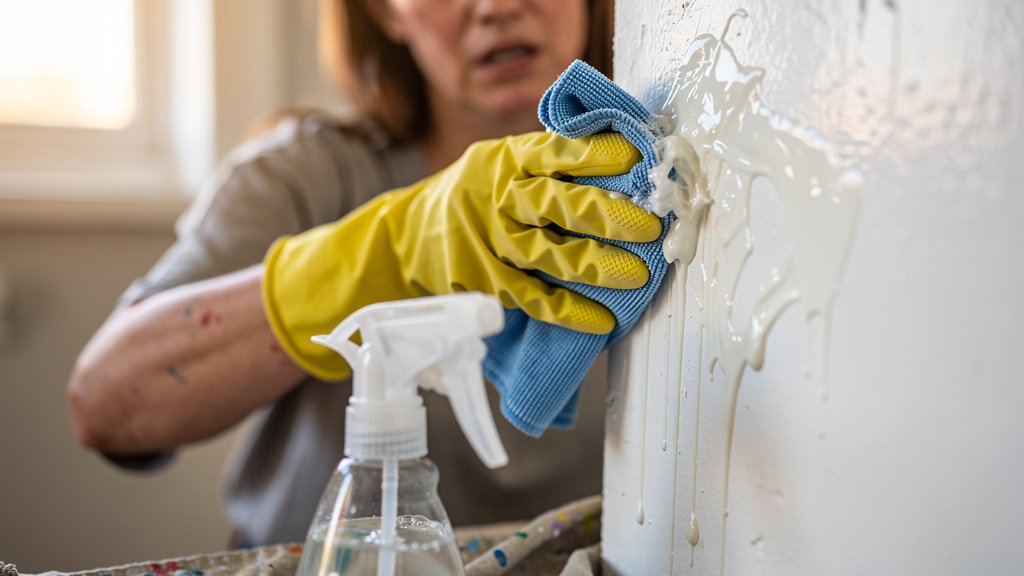
The process starts with preparation. Lay down drop cloths or old towels to protect your floors from dripping solution and scraped-off residue. Fill a spray bottle or bucket with your chosen cleaning solution warm water mixed with dish soap, vinegar solution, or a commercial wallpaper paste remover like DIF. A wallpaper scorer can help if you're dealing with residual paper backing, as its tiny teeth create perforations that allow your solution to reach the adhesive underneath.
Working in small sections about two feet square at a time spray or apply your solution and let it soak for five to ten minutes. This dwell time is essential; it gives the liquid opportunity to penetrate and soften the adhesive rather than just sliding over the surface. Using a plastic scraper or wide putty knife held at a low angle, gently work the loosened glue away from the wall. Plastic is crucial here metal tools can gouge drywall or leave marks on painted surfaces. Apply firm but controlled pressure and work in one direction rather than sawing back and forth. According to professional decorators, a 12-15 inch spatula used two-handed can effectively "shave" softened paste from plaster walls without damaging the underlying surface.
Once you've removed the bulk of the adhesive, rinse the section with clean water and a sponge to eliminate any remaining residue that could interfere with paint adhesion. Allow the wall to dry completely before assessing whether you need to spot-treat any stubborn areas. This rinse step matters more than most DIYers realize leftover cleaning solution residue can create its own adhesion problems when you apply new finishes.
What About Heat Methods?
A hair dryer set to medium-high heat offers a useful alternative or supplement to chemical solutions. Hold the dryer about six inches from the sticky area and warm it for thirty to sixty seconds the heat softens many adhesives and makes them more pliable. You can then scrape gently while the area is warm. This method works particularly well for small spots and for adhesive that has dried hard over time. Just be cautious about heat near plastic surfaces or areas where the wall might be sensitive to temperature changes. Combining heat with a solvent application often produces the fastest results on the most stubborn residue.
How Do You Remove Adhesive From Painted Walls?
Painted walls require extra care because your goal is removing adhesive without damaging the paint underneath. Test any solution on an inconspicuous area first inside a closet or behind furniture to ensure it doesn't strip or dull your paint. Generally, gentler methods work best: start with warm soapy water and a soft cloth, scrubbing gently in a circular motion. If that doesn't work, move to the vinegar solution, and only escalate to stronger commercial products if necessary.
The key is gentle pressure and patience rather than aggressive scraping. As DoItYourself.com recommends, using your finger with a cloth to rub adhesive in a circular motion while applying firm but controlled pressure often works better than scraping on painted surfaces. Work slowly, reapplying solution as needed, and accept that some stubborn spots may require multiple sessions rather than one aggressive attack. Once you've removed the adhesive, wipe the area with a clean, damp cloth to remove any cleaning solution residue, then dry it thoroughly.
What About Drywall Specifically?
Drywall presents unique challenges because the paper facing can be damaged if you scrub too hard or oversaturate with liquid. The National Painters Network advises against using excessive water on bare drywall, as it can cause the material to swell and weaken. On drywall, work quickly in small sections, use minimal liquid, and never let water pool or soak into the surface. A mixture of warm water and dish soap applied with a well-wrung sponge works well, and you should follow up with a dry cloth immediately. If adhesive proves particularly stubborn on drywall, a paste of baking soda and just enough water to form a workable consistency can be applied directly to the spot and left for a few minutes before gentle removal.
What Commercial Products Work Best for Stubborn Adhesive?
When DIY solutions don't cut it, commercial adhesive removers offer more concentrated firepower. Goo Gone remains the most widely available option, effective on most adhesive types including sticker residue, tape residue, and wallpaper paste. Its citrus-based formula breaks down sticky substances without damaging most surfaces when used as directed. Goof Off Heavy Duty Remover handles more aggressive adhesives but should be tested first on inconspicuous areas, as its stronger formula can affect certain finishes. For wallpaper paste specifically, products like DIF wallpaper remover are formulated to dissolve paste while being gentler on walls than general-purpose solvents.
Simple Green offers another effective middle ground the degreaser cuts through adhesive residue when applied with a Dobie scrubby sponge, according to testing by home improvement blogger Miss Mustard Seed. TSP (trisodium phosphate) serves as an excellent final cleaning step after adhesive removal, washing away any remaining residue and creating an ideal surface for painting. Just be aware that TSP requires proper ventilation and gloves during use.
How Do You Prepare Walls After Glue Removal?
Getting adhesive off is only half the battle proper preparation ensures your next finish looks professional. Once walls are completely dry, run your hand over the entire surface to feel for any remaining sticky spots that might have been hidden under the bulkier residue. Any areas that feel tacky need additional treatment before proceeding.
Fill any gouges, dents, or damaged areas with spackling compound or joint compound, depending on the severity. Sand these repairs smooth once dry, being careful not to oversand and create low spots. Prime the entire surface before painting this step is non-negotiable according to professional painters, as primer creates a uniform surface that ensures even paint adhesion and appearance. Skipping primer is one of the most common DIY painting mistakes, and it's especially problematic on walls with any history of wallpaper or adhesive issues.
Key Takeaways
- Start with the gentlest method warm water and dish soap before escalating to stronger solutions
- Always use plastic scrapers on painted or finished walls to avoid damage
- Allow cleaning solutions to soak for five to ten minutes before scraping
- Work in small sections and rinse each area before moving to the next
- Test any solution on inconspicuous areas first, especially on painted walls
- Commercial products like Goo Gone or DIF offer effective backup when DIY solutions fall short
- Never skip priming after adhesive removal it's essential for a professional paint finish
Removing glue from walls is genuinely satisfying work once you understand the right approach. The residue that seemed permanent turns out to be surprisingly cooperative when you give it the proper chemical assistance and patient technique. Your walls will thank you for the extra prep work when that fresh paint goes on smooth and stays that way.