Bathroom Wallpaper: The Complete Guide to Stylish, Moisture-Resistant Designs

Bathroom Wallpaper: The Complete Guide to Stylish, Moisture-Resistant Designs
For years, tile was the default choice for bathrooms practical, waterproof, and endlessly boring. Bathroom wallpaper has made a genuine comeback, and it's not just about looks anymore. Modern formulations mean you can now paper a bathroom without watching it bubble and peel at the first sign of steam. Whether you're tackling a powder room refresh or a full master bath renovation, the right wallpaper can transform a utilitarian space into something that actually makes you want to linger.
The key is knowing what to look for. Not all wallpapers survive bathroom conditions, and the difference between a five-year investment and a six-month regret often comes down to understanding the materials, the installation process, and which design choices actually work in high-humidity environments.
Why Bathroom Wallpaper Works in 2024
Bathroom wallpaper has evolved dramatically from the vinyl sheets your parents installed in the 1980s. Today's options include specially formulated coatings that resist moisture, mold, and the temperature fluctuations that come with daily showers. According to Homes & Gardens, "bathroom wallpaper has solidified its place in 2024" thanks to the variety of available patterns, textures, and moisture-resistant materials that have finally addressed the practical concerns that held homeowners back for decades.
The appeal isn't just practical, though. Bathrooms are relatively small spaces, which makes them ideal candidates for bold design statements that might feel overwhelming in a living room. A striking wallpaper can become the focal point of the entire room the thing your eye catches first when you walk in. And because bathrooms typically have less wall space than other rooms, the investment in quality wallpaper is more manageable than you might expect.
Types of Bathroom Wallpaper: Finding the Right Fit
Bathroom wallpapers vary considerably, and choosing the wrong type is the most common mistake homeowners make. The main categories break down as follows:
Vinyl Wallpaper (The Gold Standard)
Vinyl wallpaper is the most recommended option for bathrooms, and for good reason. According to The Spruce, "vinyl wallpaper is moisture-resistant, making it a good choice for bathroom wallpaper." It's typically made from a PVC layer over a paper backing, which creates a waterproof surface that wipes clean easily.
Within the vinyl category, there's a further distinction worth knowing. Type II commercial vinyl has a higher weight and durability rating than standard residential vinyl it's the same material used in hotels and commercial spaces. If your bathroom sees heavy daily use, Type II is worth the extra investment.
Peel-and-Stick (Removable) Wallpaper
Peel-and-stick wallpaper has exploded in popularity, and many options now work well in bathrooms. Livettes Wallpaper notes that "for a bathroom, our Peel & Stick Eco Matte and Commercial Vinyl (Type II) materials are the best choice, as both handle humidity and wipe clean easily."
The advantage here is flexibility you can remove it without damaging the wall, making it ideal for renters or anyone who likes to change their space periodically. However, as one Reddit user discovered, not all peel-and-stick products hold up equally well: "I did peel and stick from Spoonflower in all my bathrooms. The half bath with no shower looks great, but both full bathrooms completely started peeling after a few months." Quality matters, and products marketed specifically as moisture-resistant are worth the premium.
Non-Woven Wallpaper
Non-woven wallpaper is a modern alternative made from a blend of natural and synthetic fibers. Its breathability can actually work in its favor in humid environments, since moisture is less likely to become trapped behind the surface. Many non-woven options are washable and moisture-resistant, though they stop short of the full waterproofing that vinyl provides.
Traditional Paper Wallpaper
Standard paper wallpaper the kind that requires adhesive applied to both the wall and the paper is generally not recommended for bathrooms with showers or tubs. It can absorb moisture, leading to bubbling, peeling, and eventually mold growth. In a guest bathroom with excellent ventilation it can work, but it remains a riskier choice than vinyl or non-woven alternatives.
Design Ideas and Trends
Bathrooms are the perfect canvas for design experimentation, and current trends offer something for every aesthetic. According to Mitchell Black, "vinyl wallpapers are woven from durable polymers that resist mold and moisture damage" while offering "popular options like floral, abstract, and geometric" patterns.
In a small bathroom, design choices can significantly impact how spacious the room feels. Fabrics and Papers recommends "neutral wallpapers" for small bathrooms because they help "create a bright, airy atmosphere that makes the space feel larger." Light colors, soft patterns, and minimal contrast all contribute to that open, airy effect.
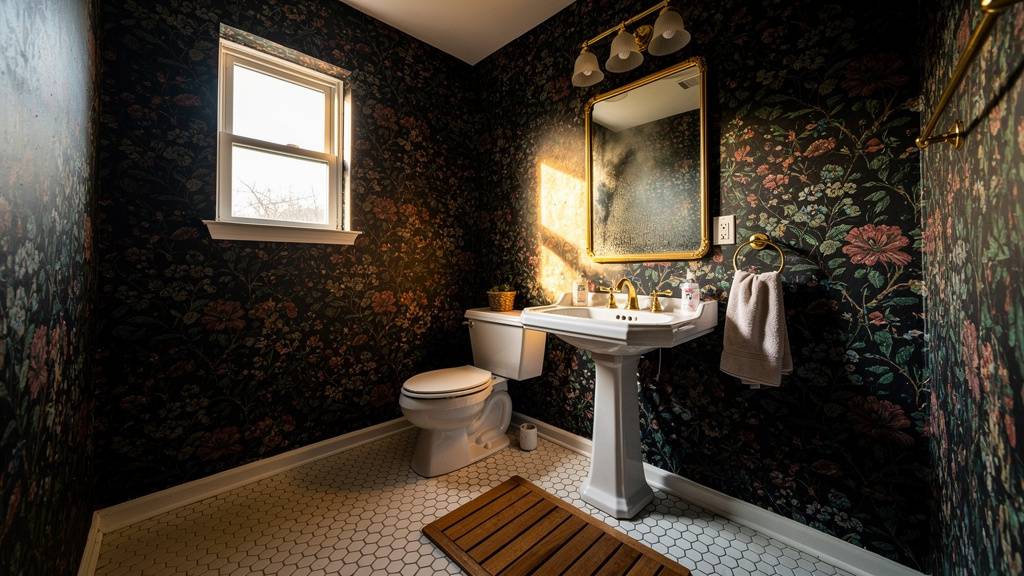
For larger bathrooms, you have more freedom to play with bolder choices. Dark, moody botanical prints create a spa-like atmosphere. Geometric patterns add contemporary edge. Toile wallpaper those intricate pastoral scenes with French origins brings Victorian sophistication to a powder room. The key is matching your wallpaper choice to the mood you want to create and the practical constraints of the space.
Installation: How to Hang Bathroom Wallpaper Successfully
Proper installation is what separates bathroom wallpaper that lasts from wallpaper that fails within months. Architectural Digest emphasizes preparation: "Take down all towel hooks, holders, light fixtures, outlets, switch panels, and mirrors before applying the wallpaper. Basically, anything mounted on the wall needs to come off."
- Clean the walls thoroughly. Sherwin-Williams recommends using "a bucket of soapy water and sponge to remove any dirt and oils before priming and let dry." This step is non-negotiable any residue left on the wall will prevent proper adhesion.
- Apply a quality primer. A mold-resistant primer specifically designed for bathrooms creates the right surface for the wallpaper adhesive to bond to and provides an extra layer of protection against moisture.
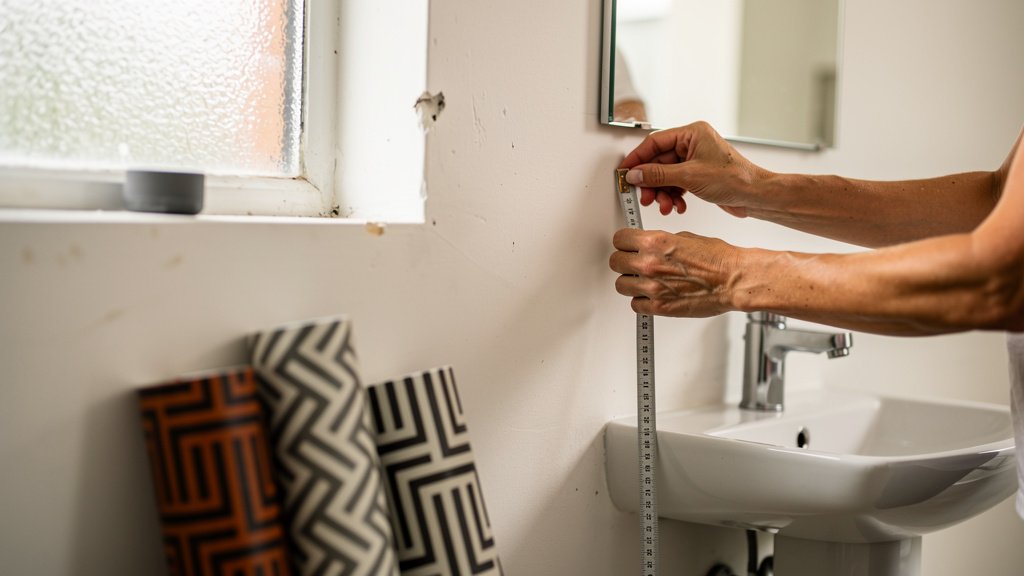
- Measure and plan your layout. Measure the height of the wall and mark where the wallpaper strips will be placed. Cut your first length with an additional 4 inches for trimming, then line up the strips against the wall while ensuring the patterns line up correctly.
- Ensure proper ventilation. Run the exhaust fan during installation and for several days afterward to help the adhesive cure properly. Good ongoing ventilation extends the life of your bathroom wallpaper significantly.
- Seal edges carefully. Pay extra attention to the edges around fixtures, corners, and where the wallpaper meets the tub or shower. A clear silicone caulk along these edges provides additional moisture protection.
Common Mistakes and Misconceptions
Several persistent myths keep people from successfully using wallpaper in bathrooms, and a few of the most common ones are worth examining directly:
Myth 1: All wallpaper bubbles in bathrooms. This was true with older products, but modern moisture-resistant vinyl and specially coated options handle humidity well when properly installed. Choosing the right product for the environment and ensuring good ventilation are what make the difference.
Myth 2: You can't put wallpaper directly behind the shower. While direct exposure to standing water is always risky, many homeowners successfully paper the walls immediately outside the shower enclosure. The steam zone is the concern not the whole bathroom. If you have a glass-enclosed shower, you have more options than with an open shower curtain setup.
Myth 3: Bathroom wallpaper is hard to clean. Actually, vinyl versions are among the easiest wall coverings to maintain. Most marks wipe away with a damp cloth, and you can use mild cleaning solutions without damaging the surface. This is a significant advantage over painted drywall, which shows every scuff and stain.
Mistake: Skipping the primer. We already mentioned this, but it's the most common installation error. Primer does more than help adhesion it seals the wall, prevents mold growth, and creates a uniform surface that makes pattern matching easier.
Applications and Benefits
Beyond aesthetics, bathroom wallpaper offers several practical advantages that might surprise you. The ability to completely transform a space without a full renovation is perhaps the biggest draw. A weekend project with quality wallpaper can make a bathroom feel brand new at a fraction of the cost of new tile or fixtures.
Wallpaper also allows for self-expression in a way that tile simply can't match. Whether you prefer bold graphic patterns, subtle textures, or whimsical designs, there's a wallpaper option that fits your vision. This personal touch matters especially in bathrooms, which are often the most personal space in a home.
From a design perspective, wallpaper can also solve visual problems. If your bathroom has awkward proportions or dated builder-grade fixtures, the right wallpaper draws the eye and distracts from less appealing elements. A strong pattern can make a small bathroom feel intentional rather than cramped.
Best Practices and Tips
Before you buy, here are the things that will actually determine whether your bathroom wallpaper succeeds:
- Always verify that the product is specifically rated as moisture-resistant or waterproof don't assume all wallpaper can handle bathroom conditions
- Invest in a quality primer and adhesive designed for high-humidity environments
- Test a small sample in your bathroom for a few days before committing to a full installation
- Keep the exhaust fan running during and after showers to reduce humidity levels
- Consider the lighting in your bathroom natural light will show every seam and imperfection, while artificial light can either highlight or hide flaws depending on placement
- Plan for maintenance know how to clean your specific wallpaper type before you buy
- Order 10-15% more than your measurements indicate to account for pattern matching and mistakes
"The texture and finish of your wallpaper also play a significant role; choose moisture-resistant wallpapers for bathrooms to ensure durability." Milton and King
One thing I couldn't fully resolve from the research: how exactly different peel-and-stick products perform over time in consistently humid bathrooms varies significantly by brand, and there doesn't seem to be standardized testing that would let us compare apples to apples. If you're investing in a premium product, buying a sample and testing it in your specific bathroom conditions for a couple of weeks before committing is probably wise.
Frequently Asked Questions
What is the best type of wallpaper for a bathroom with a shower?
Type II commercial vinyl wallpaper is the best choice for bathrooms with showers because it's specifically designed to withstand high humidity and moisture exposure. Both traditional vinyl and high-quality peel-and-stick vinyl options work well, but make sure the product is explicitly marketed as moisture-resistant or waterproof. The key is choosing a product rated for humid environments rather than assuming any wallpaper will hold up.
Can I install peel-and-stick wallpaper in a full bathroom?
Yes, you can install peel-and-stick wallpaper in a full bathroom, but you need to choose the right product. Look for vinyl-based peel-and-stick options specifically marketed as moisture-resistant or suitable for bathrooms. Avoid paper-backed products, which can absorb moisture and fail. Also consider placement the walls directly adjacent to the shower may see more steam exposure than walls farther away, so you might use a more water-resistant product in those areas.
How do I prevent bathroom wallpaper from peeling?
Proper preparation is the key to preventing peeling. Clean walls thoroughly to remove oils and dirt, then apply a quality mold-resistant primer designed for high-humidity areas. Ensure your bathroom has adequate ventilation run the exhaust fan during and after showers. Finally, seal the edges where the wallpaper meets fixtures, corners, and the tub or shower with a clear silicone caulk to prevent moisture from getting behind the edges.
Does bathroom wallpaper mold or mildew?
Quality moisture-resistant wallpaper is designed to resist mold and mildew growth, but it's not completely immune. The real protection comes from proper installation if moisture gets behind the wallpaper, mold can develop on the wall surface itself. Using a mold-resistant primer, ensuring proper adhesion, and maintaining good ventilation all work together to prevent this problem. If you notice any signs of mold or mildew, address the moisture issue immediately.
How long does bathroom wallpaper last?
Well-installed, quality bathroom wallpaper in a properly ventilated bathroom can last 10-15 years or more. Vinyl products, particularly Type II commercial vinyl, tend to have the longest lifespan. Factors that affect longevity include the quality of the product, how well it was installed, the level of humidity in the bathroom, and how well the space is maintained. Bathrooms with excellent ventilation and moderate use will see the longest lifespan.
Can I wallpaper behind the toilet?
Yes, you can wallpaper behind the toilet, and this is actually one of the easier areas to paper since it sees less direct moisture exposure than areas near the shower or tub. Just ensure the wall is properly cleaned and primed, and consider applying a clear silicone caulk along the bottom edge where the wallpaper meets the floor or baseboard to prevent moisture from seeping in.
Key Takeaways
- Vinyl wallpaper especially Type II commercial grade is the most durable and moisture-resistant option for bathrooms with showers or heavy humidity
- Peel-and-stick vinyl works well for rentals and guest bathrooms, but verify that the specific product is rated for high-humidity use
- Proper wall preparation, including thorough cleaning and applying mold-resistant primer, is the single most important factor in installation success
- Small bathrooms benefit from light, neutral patterns that create an airy feel, while larger bathrooms offer more flexibility for bold designs
- Good ventilation extends the life of any bathroom wallpaper always run exhaust fans during and after showers
- Sealing edges with silicone caulk provides extra protection against moisture infiltration at vulnerable points
- Quality matters significantly more than price the difference between a $30 roll and a $80 roll often shows up in how well it holds up over time